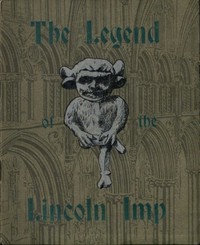
The poem opens with the devil releasing his "sprightly young demons to play," and one imp is carried by the wind to old Lindum (Lincoln). The imp immediately boasts of his plans to disrupt the cathedral: "I'll blow up the chapter, and blow up the dean; / The canons I'll cannon right over the screen." This energetic, rhyming tetrameter establishes a mischievous tone, with the imp's vulgarity contrasting with the sacred setting. The wind, described as an "orthodox soul," refuses to aid the imp's sacrilege, leaving him to enter the church alone. Readers should note how the poem personifies natural elements and uses them to comment on ecclesiastical hierarchy.
The Imp's Boastful Entry
The imp's first speech reveals his character: he is arrogant, irreverent, and intent on chaos. He threatens to "blow out the windows, and blow out the lights," and tear "vestments to tatters." The poem's humor lies in the exaggerated violence of his plans, such as "cannon" the canons. The wind's refusal to participate underscores a moral order: even the wind respects the church. The imp's vulgarity is highlighted by the narrator's aside, "vulgar Imp!"—a direct judgment that frames him as a comic villain. The setting is specifically Lincoln Cathedral, with references to the nave, transept, choir, and rood. The imp's declaration that "the nave should be spelt with a K" is a pun on "knave," reinforcing his roguish nature.
The Wind's Orthodox Reluctance
The wind is portrayed as a loyal, conservative force: "He wouldn't blow hard on a monarch, I ween, / Nor ruffle the robes of a bishop or dean." This personification aligns the wind with established authority, contrasting with the imp's rebelliousness. The wind's only acceptable churchly function is to "make the sweet organ-pipes blow," a gentle, musical role. When the imp mocks him, the wind responds with "sorrowful anger," saying, "No! here I shall stop, you may go by yourself." This exchange sets up a dynamic where the imp acts alone, while the wind represents a natural order that the imp disrupts. The poem thus uses the wind as a foil to the imp, emphasizing the latter's defiance.
Vandalism in the Cathedral
Once inside, the imp commits a series of destructive acts: he "hacked at the lectern and chopped at the stalls; / The tapestry tore from the sanctified walls." He also attempts to steal the chalice and patens, but they are locked away. These actions are described in concrete, physical terms, grounding the fantastical poem in real cathedral furnishings. The imp's irreverence extends to ignoring the rood and altar, and he "thumbed all the canons' and choristers' books." The poem's catalog of damages builds a vivid picture of chaos, yet the tone remains light and humorous. The imp's energy is relentless, but the reader may wonder how the cathedral's guardians will respond—a question the excerpts leave open.
Poetic Structure and Voice
The poem is written in rhyming couplets with a regular meter, giving it a jaunty, ballad-like quality. The narrator's voice is wry and occasionally interjects, as with "vulgar Imp!" or the aside about the wind's orthodoxy. This creates a sense of complicity with the reader, as if sharing a joke about the imp's antics. The use of direct speech for the imp and the wind adds dramatic immediacy. The poem also includes footnotes referencing real sculptures, such as "The Devil Looking Over Lincoln," grounding the fantasy in actual cathedral architecture. Readers should attend to how the verse form—light and swift—mirrors the imp's restless energy, while the narrator's commentary provides a moral counterpoint.
As you read, note how Kesson balances the imp's destructive glee with the wind's orthodox restraint. The poem's humor depends on recognizing the specific cathedral details—the rood, the organ, the stalls—and the imp's violation of them. The excerpts suggest a narrative arc from boastful entry to physical vandalism, but the resolution remains unknown. Consider how the poem's playful tone might ultimately serve to reaffirm the cathedral's sanctity, even as it revels in the imp's mischief.
There’s something tender about Kesson’s imp, always kicking at stones it can’t move—a small rebellion I’ve carried since first reading it. That echo of stubbornness, half-comic, half-gentle, came back to me browsing the old ballad collections, where every scrap of verse feels like a whispered proof that mischief and devotion were always tangled together. Ballad Book — Edition Insights holds that same quiet, weathered affection.